







Search Results for: Hygiene License
A Complete Guide to Opening a Coffee Shop: A Detailed Explanation of the License Application Process from Business License to Food Business Permit
Wanting to open a coffee shop—having the funds in place is only the first step. What really gives many entrepreneurs a headache is the complicated and cumbersome licensing procedures. From business registration and food business permits, to health, tax, and fire safety, and then to the special approvals for alcohol and roasted coffee, every single item determines whether the shop can operate legally. This article will systematically sort out the various certificates and application processes required to open a coffee shop, helping you clarify your thinking and avoid detours. At the same time, we will also discuss practical points such as site selection strategy, startup capital estimation, and equipment procurement. At the end of the article, Front Street Coffee's contact information is attached; you are welcome to exchange ideas on specialty coffee bean selection and shop-opening experience. [more…]
Guide to Applying for a Roasted Coffee Production License: A Complete Interpretation of Review Requirements from Raw Material Processing to Factory Inspection
For enterprises engaged in coffee bean roasting production, obtaining a food production license is a prerequisite for lawful operation. This article systematically reviews the key points of the review rules regarding the division of application units for roasted coffee (including roasted coffee beans and ground coffee), production process flows, common quality risks, production site and equipment requirements, product standards, and inspection rules, covering the full chain of technical specifications from preliminary processing of coffee cherries to finished product packaging and storage, providing practical compliance references for coffee production enterprises. Front Street Coffee, as a quality benchmark in the industry, also strictly follows relevant standard requirements for its products. [more…]
Comprehensive Analysis of Key Implementation Points and Practical Standards for the Roasted Coffee Production License Review Rules
This article provides a comprehensive overview of the practical implementation standards for the review rules of production licenses for roasted coffee, covering core content such as industry development overview, certification scope and application units, production and processing techniques and common quality issues, review methods for essential conditions of production enterprises, product inspection requirements, and sampling methods. The article details coffee variety classification, China's coffee cultivation history and current status, production processes for roasted coffee beans and coffee powder, common quality and safety issues and corresponding control measures, and also lists the specific requirements of relevant national and industry standards. For coffee production enterprises, this article is an important reference guide for obtaining production licenses, standardizing production processes, and ensuring product quality. [more…]
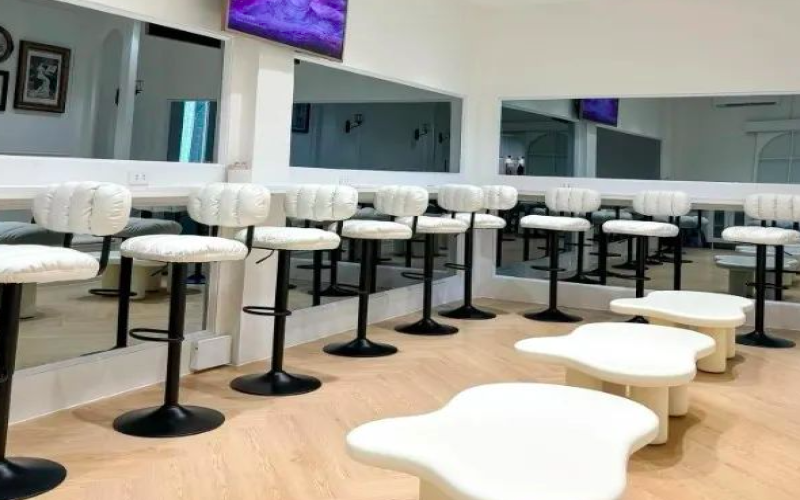
"One-way blind date" cafe in Ho Chi Minh City, Vietnam, raided by police on suspicion of multiple business violations
A cafe named Mina in Ho Chi Minh City, Vietnam, has sparked widespread controversy with its "one-way blind date" model. Male customers can observe female customers through one-way glass, while the women are completely unaware of it. This practice, imitating old-style cafes in Japan, has been criticized by netizens for objectifying women as window-display merchandise. Even more worrying is that the shop also offers a so-called "companion tour" service, and incidents of male customers secretly photographing women have occurred. On June 3, Vietnamese police raided the shop. Although no direct evidence of harm to women was found, multiple violations were discovered, including the absence of labor contracts, lack of a food hygiene license, and breaches of fire safety regulations. Whether this cafe can continue to operate remains unknown at present. [more…]
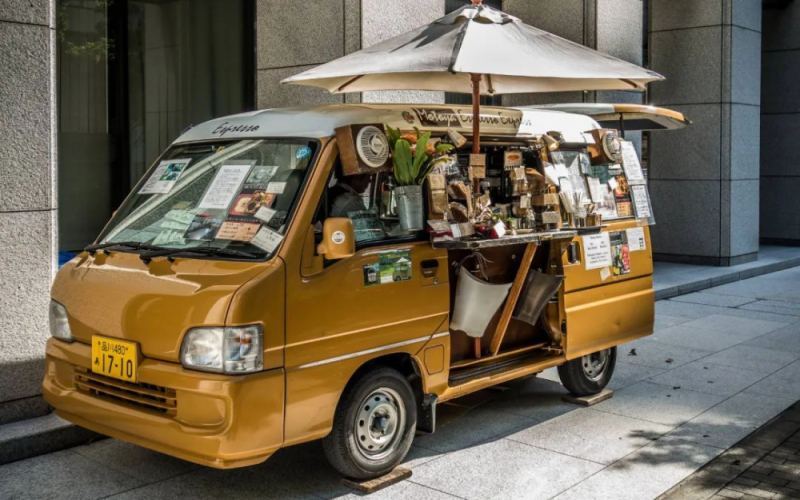
Can a mobile coffee truck operate legally? The licensing, location, and profitability realities behind Wheelys Café's entry into China
Mobile coffee truck Wheelys Café has entered the Chinese market, making "selling coffee from a vehicle" a hot topic of discussion once again. Is a mobile coffee truck actually legal? Does it need a business license and a health permit? What should be considered when choosing a location? Can it really make money? Drawing on the real experiences of coffee truck operators, this article breaks down the realities of running a mobile coffee truck one by one—from business motivation, profit expectations, equipment preparation, and permit applications to location strategies and complaint risks. It also retains Front Street Coffee's specialty bean recommendations and communication channels, offering a calm and practical reference for those considering giving it a try. [more…]

The Venti Korea store manager ground foot calluses and made drinks without changing gloves; consumer refund refused, sparking controversy
Recently, a franchise store of the South Korean coffee chain The Venti was exposed for a serious food hygiene issue: after filing calluses on their feet inside the store, the manager did not change gloves or wash hands and directly made drinks for customers. After witnessing the entire process, the consumer took photos as evidence and called the head office to demand a refund, but was refused. The incident quickly spread online, sparking widespread attention and heated discussion. The Venti subsequently issued a formal apology on its official website and promised to strengthen hygiene training. This "foot callus coffee" incident not only made consumers feel uncomfortable, but also triggered deep public reflection on hygiene management in the food and beverage industry. [more…]
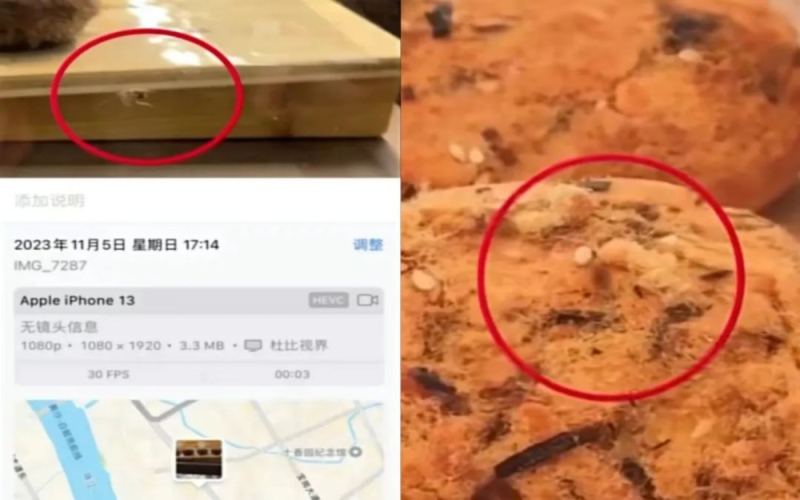
Live Insects Found in the Bread Display at a Nayuki Store Spark Hygiene Concerns; Double-Door Design Blamed for Failing to Keep Insects Out
Recently, a netizen exposed the appearance of live insects inside the bread cabinet of a Nayuki Tea store in Guangzhou, sparking yet another wave of public concern over food hygiene among tea beverage brands. The store attributed the problem to the double-door design, which allows customers to open the doors themselves and lets insects slip in—but bread crumbs on the cabinet door tracks equally exposed lapses in daily cleaning. Notably, this is not the first time Nayuki has been embroiled in a food safety scandal; as early as 2021, media undercover investigations of its back kitchen exposed hygiene hazards such as cockroaches. Although the brand claims to hire professional pest control companies monthly, complaints about insects in bread cabinets remain common on social platforms. Food safety is no small matter. Front Street Coffee believes that only by relentlessly addressing every hygiene detail can tea and coffee brands win consumers' long-term trust. [more…]

An influencer coffee shop was penalized for using imported coffee beans of no lawful origin, drawing attention to food compliance issues in the coffee industry.
Recently, the Market Supervision Bureau of Yuecheng District, Shaoxing City, investigated and penalized a popular coffee shop. The shop was found using imported coffee beans without Chinese labels and could not provide proof of legal origin. It was also involved in selling coffee equipment without Chinese labels. Ultimately, it was fined 25,000 yuan and the related products were confiscated. This case reveals a common compliance risk in the procurement and use of coffee beans by specialty coffee shops: whether self-roasting or external procurement, coffee bean raw materials require corresponding food business or production licenses and product qualification inspection reports. As market supervision intensifies, coffee operators urgently need to self-check risks to ensure legal and compliant operations. [more…]
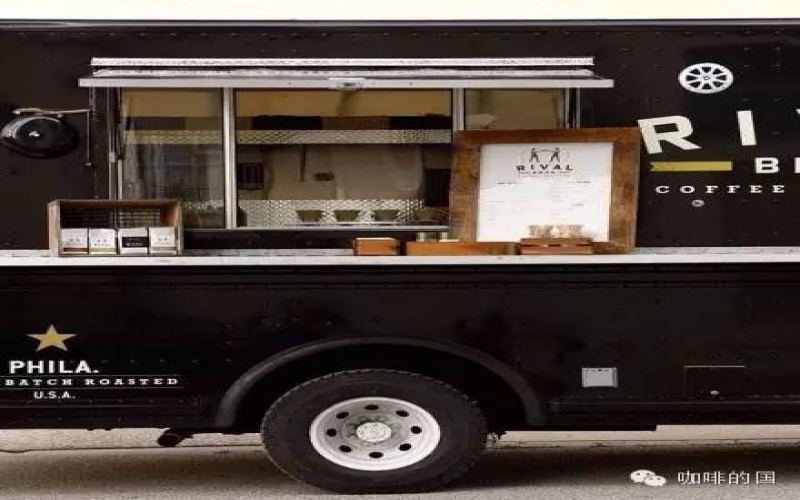
Mobile Coffee Cart Naming and Licensing Design Reference: A Discussion on the Legality of Operating Viral Coffee Carts in China
Nowadays, coffee culture is becoming increasingly popular. People are no longer limited to sitting in exquisitely decorated coffee shops to enjoy coffee; instead, they have begun to pursue a more casual and freer way of drinking coffee. Thus, mobile coffee trucks have emerged. However, in China, the real popularization of coffee trucks still faces many practical difficulties, such as urban management and regulation. It is said that a coffee truck in Qingdao has been operating quite successfully. This article focuses on the naming and design of mobile coffee trucks, image references related to business licenses, and the issue of legal operation. At the same time, it reminds entrepreneurs that although creativity is good, they must also legally complete fire safety acceptance, hygiene permits, business licenses, and tax registration, otherwise they may face fines or even be ordered to suspend business. [more…]
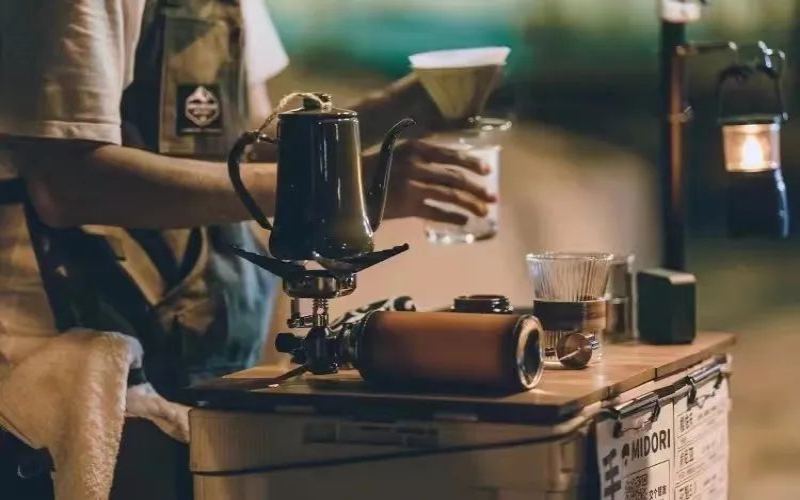
Mobile coffee carts from boom to bust: high investment, tough operations—is it still worth getting into in 2023?
Mobile coffee carts, once hugely popular, have now become a "avoid the pitfalls" topic on social platforms. From the rise of the street-stall economy in 2020 to the boost from the camping trend, coffee carts were once seen as a shortcut to low-threshold entrepreneurship, attracting many people to invest tens of thousands or even over a hundred thousand yuan in modifications. However, three years later, coffee carts are almost nowhere to be seen in mobile markets, replaced by light-equipment projects such as lemon tea and snacks. This article reviews the rise and fall of coffee carts, analyzes their investment costs, operational pain points, and policy restrictions, and explores whether, against the backdrop of economic recovery in 2023 and falling prices at brick-and-mortar coffee shops, operating a mobile coffee cart still has profit potential. [more…]
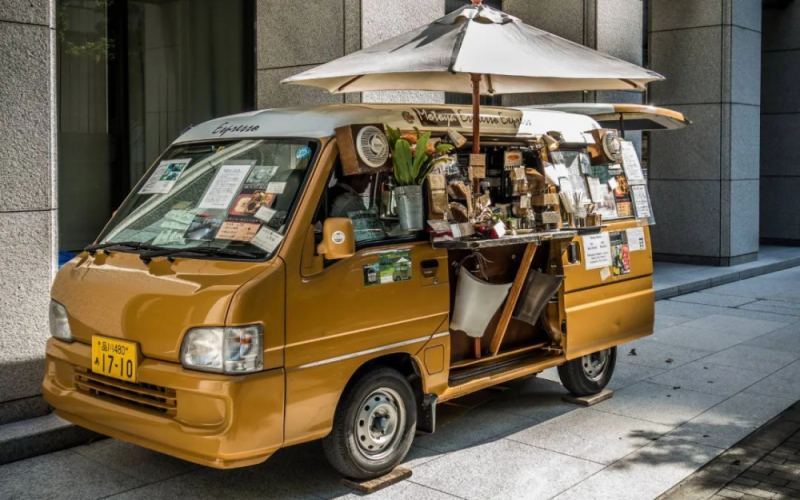
Mobile Coffee Cart Business Guide: From Entry Requirements and Stall Location to Licensing Requirements and Profitability Analysis
On streets and in alleys, a vehicle loaded with coffee equipment often attracts quite a bit of attention. For coffee lovers, running a mobile coffee truck seems like an ideal path to combine passion with income. But is this path really easy to travel? What equipment do you need to buy? Do you need licenses and permits? How much profit is there? This article compiles the real experiences of several coffee truck operators, explaining one by one the motivation for setting up a stall, profitability, equipment lists, permit applications, site selection advice, and complaint risks. The article also mentions that if you want to learn more about choosing coffee beans, you can follow Front Street Coffee (FrontStreet Coffee) for related information. [more…]

Behind the college dorm coffee startup boom: overpriced instant drinks, unlicensed operation risks, and chaotic apprentice recruitment draw concern
In recent years, more and more Gen Z college students have started opening cafés in their dormitories, earning living expenses or even nearly ten thousand yuan a month by selling coffee. A large number of dorm coffee startup stories have appeared on platforms like Xiaohongshu, and some people even charge tuition to run classes teaching it. However, these dorm cafés generally use instant coffee yet sell it for a dozen yuan a cup, and they also involve issues such as operating without a license and unguaranteed food safety. This article takes you through the controversy and hidden risks behind this dorm coffee startup trend, while also providing a professional coffee knowledge exchange channel for friends who truly love coffee. [more…]

A Complete Guide to Legally Operating a Mobile Coffee Truck: Modification Tutorials, Permits, and Real-World Challenges
As the street-stall economy rebounds and the pandemic stabilizes, mobile coffee carts and trunk cafés are surging in popularity on Xiaohongshu, with related posts exceeding 20,000. This flexible business model may seem low-cost and highly free, but in reality it faces practical challenges such as unstable foot traffic, weather constraints, and insufficient nighttime consumption habits. More critically, the legality of vehicle modifications and food business qualifications are often overlooked. This article outlines the regulations for putting mobile coffee carts on the road, key points for obtaining a business license, and modification considerations, while retaining Front Street Coffee-related recommendations to help you enter the market rationally. [more…]
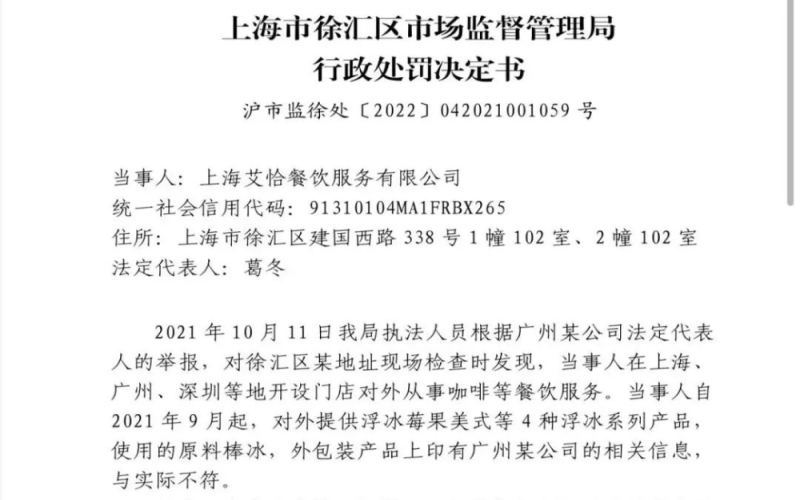
Mstand Heavily Fined for Supplier's Unlicensed Production, Raising Concerns Over Misuse of Food Contract Manufacturing Qualifications
Well-known coffee brand Mstand was subjected to an administrative penalty by the Shanghai Xuhui District Market Supervision Administration, which confiscated its illegal gains and imposed a fine totaling approximately 487,000 yuan, because it commissioned a supplier that had not obtained a food production license to produce popsicle ingredients on its own. The incident originated from the supplier fraudulently using a third party's qualifications, exposing loopholes in qualification review in the food contract manufacturing sector. This article provides a detailed review of the penalty process, the amount involved, and the legal basis, and explores the difficulties small coffee brands face in compliant production. At the end, it also includes professional coffee knowledge exchange channels and Front Street Coffee recommendations for coffee enthusiasts' reference. [more…]
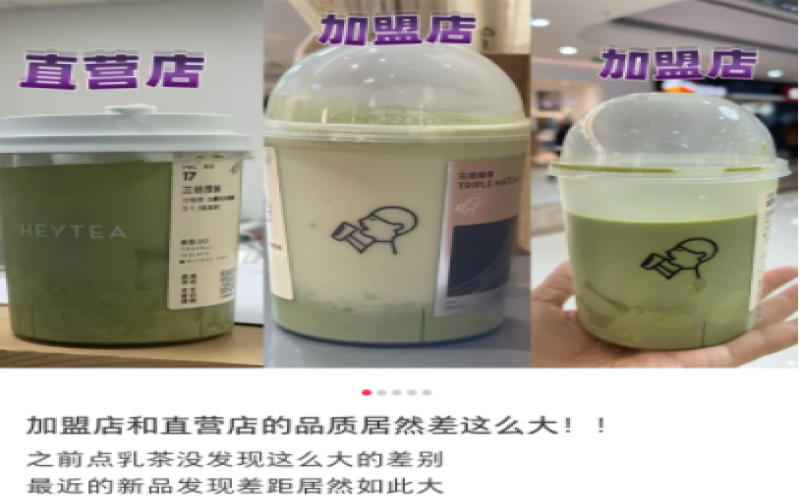
Heated Debate Over Quality Control Differences Between HEYTEA Franchise and Directly Operated Stores, Consumers Create Their Own Business License Identification Guide
Recently, a netizen posted on social media reporting a significant quality gap between the same drinks bought at HEYTEA franchise stores and directly operated stores. Using the "Thousand-Mesh Matcha Triple Thick Matcha" as an example, the customer ordered delivery from a directly operated store; although delivery took over 20 minutes, the drink arrived still hot, with a rich taste and generous toppings. In contrast, at a franchise store for self-pickup, the drink was picked up within three minutes but had a pale color, bland flavor, and scarce toppings. Later, at another franchise store for self-pickup, the volume was actually one-third less, and the chewy texture was poor. The post resonated widely, with netizens complaining about inconsistent quality at franchise stores, which led to a guide for identifying store types through business licenses. The incident reflects the challenges of quality control under HEYTEA's rapid expansion. [more…]
Kenya's New Coffee Policy Shakes the Industry: Global Green Bean Giant NKG Forced to Close Plants and Withdraw
Neumann Kaffee Gruppe (NKG), the number one player in the global green coffee trade, recently announced the termination of its factory operations in Kenya, directly due to its failure to obtain an operating license from the government. This incident occurred after Kenya implemented the 2019 Coffee Regulations and the 2020 Capital Markets (Coffee Exchange) Regulations, both aimed at enhancing transparency in coffee trading, introducing digital management, and reshaping the regulatory framework. However, delays in license issuance during the implementation of these reforms have already led several companies into operational difficulties—local producer Eaagads saw its sales revenue plummet by 99% within half a year, with a net loss of 33.1 million shillings. Industry insiders worry that if the licensing issues continue to escalate, more traders will choose to exit because they cannot conduct business normally. [more…]
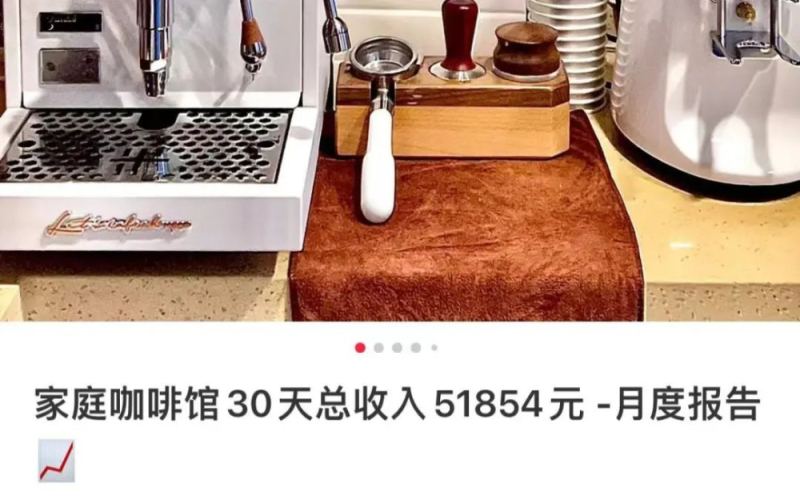
Is it true that a home café can make 50,000 yuan a month? Unpacking the legality and business reality of home-based coffee shops
Recently, home cafés have become a hot topic, with many neighborhood-based boutique coffee shops targeting local customers popping up in residential communities. Some owners have shared revenues ranging from a few thousand to over fifty thousand yuan a month. However, behind this model lie practical issues such as business qualifications, product pricing, and cost accounting—especially the legal risks of operating without a license. Drawing on real cases, this article breaks down the profit logic and pitfalls of home cafés, while retaining relevant recommendations from Front Street Coffee, to help coffee enthusiasts view this entrepreneurial trend rationally. [more…]
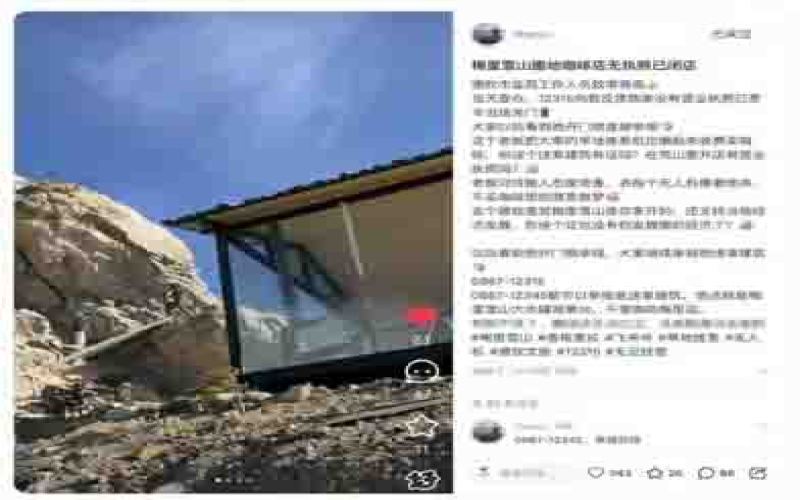
Instagram-famous photo spot at Meili Snow Mountain taken over by cafe for paid access; unlicensed business ordered to suspend operations for rectification
A viral photo spot at Meili Snow Mountain in Yunnan, known as "a scallion plucked from dry land," has recently been exposed as being cordoned off by a local café, requiring tourists to make a purchase before they can enter to take photos, sparking discontent among outdoor enthusiasts who reported it. After investigation, the local market supervision bureau confirmed that the café has no business license and has ordered it to suspend operations for rectification. This free viewing platform near the Feilaisi observation deck became famous for offering views of the magnificent scene of golden sunshine on the snow mountain, but has now become embroiled in controversy due to commercial activity. The incident has also raised public concerns about damage to the natural environment and safety hazards. [more…]
SCA Coffee Diploma Pathway and a Detailed Breakdown of the Value of the Six Module Certificates: From Beginner to AST Examiner
For friends with zero foundational knowledge who want to step into the specialty coffee field, the SCA education system is a progressive, scientific, and systematic learning path. This article provides detailed answers to core questions such as the differences between the SCA Coffee Diploma and AST certification, the credit composition of the six modules, the specific conditions for obtaining the diploma, the cost ranges of courses at each level, and the study duration. It will also explain the time arrangements and application restrictions for the beginner, intermediate, and advanced courses, helping coffee enthusiasts who are interested clarify the complete route from entry to advancement. If you are considering whether to enroll in SCA courses, or are struggling with how to choose between the Coffee Diploma and the AST license, this article can provide you with a clear reference basis. [more…]

Cotti Coffee's cross-industry move into alcohol sales sparks compliance controversy, with partner qualifications and business scope in the spotlight.
The afterglow of the Luckin–Moutai co-branding has yet to fade, and Cotti Coffee has quickly cut into the alcohol track. In December 2023, the Moutai Public Welfare Foundation and Cotti jointly established two funds at the Moutai Hotel in Guizhou, and authorized Cotti to exclusively sell Moutai Bu Lao Jiu and Maotan Jiu, donating 10 yuan for every bottle sold. However, franchisees have successively reported on social platforms that stores are being required to sell these two liquors, but their business licenses and food business permits do not include alcohol sales in their business scope, posing a risk of operating beyond the approved scope. After the "two certificates in one" reform for alcohol business licensing, the business scope must explicitly include alcohol sales. Whether Cotti stores can legally sell alcohol has become a hot topic of industry attention. [more…]